Archives
- 2026-08
- 2026-07
- 2026-06
- 2026-05
- 2026-04
- 2026-03
- 2026-02
- 2026-01
- 2025-12
- 2025-11
- 2025-10
- 2025-09
- 2025-03
- 2025-02
- 2025-01
- 2024-12
- 2024-11
- 2024-10
- 2024-09
- 2024-08
- 2024-07
- 2024-06
- 2024-05
- 2024-04
- 2024-03
- 2024-02
- 2024-01
- 2023-12
- 2023-11
- 2023-10
- 2023-09
- 2023-08
- 2023-06
- 2023-05
- 2023-04
- 2023-03
- 2023-02
- 2023-01
- 2022-12
- 2022-11
- 2022-10
- 2022-09
- 2022-08
- 2022-07
- 2022-06
- 2022-05
- 2022-04
- 2022-03
- 2022-02
- 2022-01
-
br Declaration of interest br Acknowledgments br This
2022-04-07
Declaration of interest Acknowledgments This work was supported by grants from the Polish National Science Centre (PRELUDIUM grant no. 2013/11/N/NZ5/00270) and the European Commission FP7 Project Beta-JUDO (grant number 279 153), European Union EIT Health project DeTecT2D, Swedish Diabetes A
-
br Materials and methods br Results br
2022-04-07
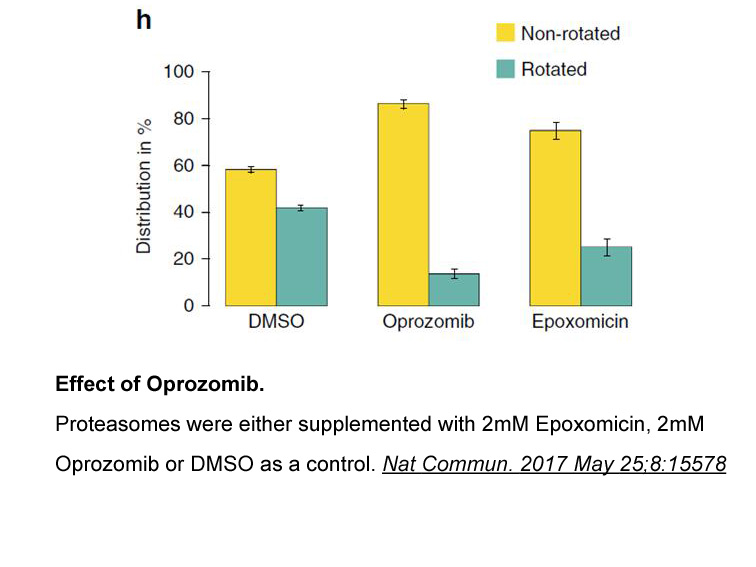
Materials and methods Results Discussion Protein degradation plays a vital role in nearly all cellular processes, nearly 5% of genes are dedicated to the control of protein stability [31], [32]. The ubiquitin-proteasome system (UPS) represents the major way for degradation of proteins, wher
-
summarizes FAAH inhibition data for
2022-04-07
summarizes FAAH inhibition data for a series of 4-[2-benzofuran]2-yl-pyrimidines substituted with a pyrrolidine, piperidine or homopiperidine bearing a methyl-ketobenzimidazole unit. As indicated, the 3-(keto-benzimidazole-3-yl)piperidine displayed potent inhibition of hFAAH and moderate inhibitio
-
Pifithrin-μ We also evaluated the effect of varying ionic st
2022-04-07
We also evaluated the effect of varying ionic strength. These experiments included previously characterized H3 (residues 1–21) and SNAIL (residues 1–9) peptides [8], [34] to allow a comparative analysis with different ligands (Fig. 1A). As shown in Fig. 2 and listed in Table 2, it is evident that a
-
With the aim to identify potential novel targets in
2022-04-07
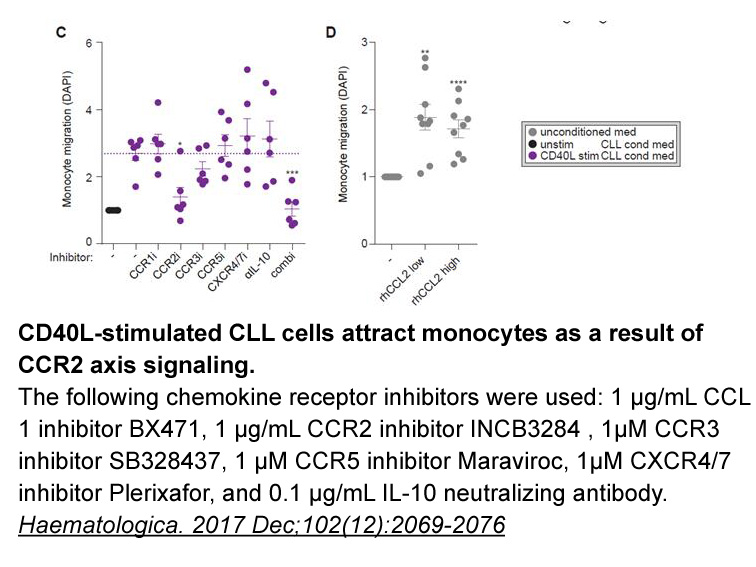
With the aim to identify potential novel targets in CVD, we applied proteome analyses on vascular tissue of these frequently used mouse models of atherosclerotic disease in the presence and/or absence of diabetes. Potential targets for intervention identified with this approach were validated in hum
-
The exact mechanism by which
2022-04-07
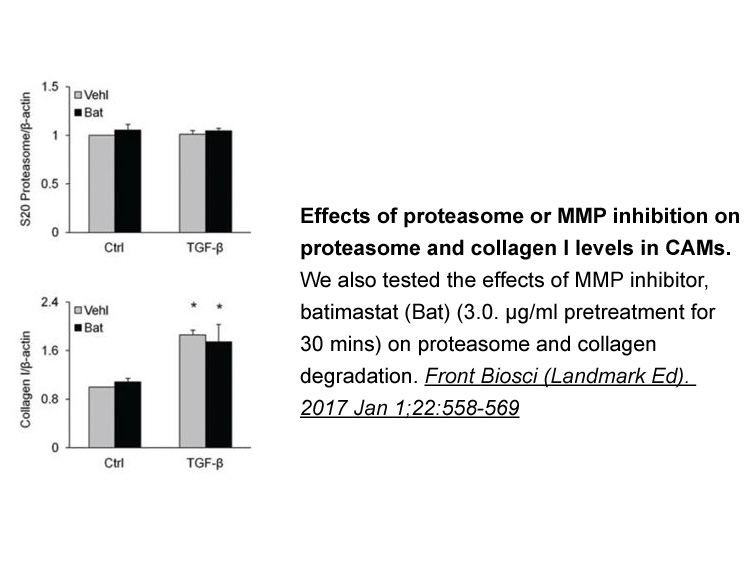
The exact mechanism by which mitochondrial hexokinases such as HK1 and HK2 prevent apoptosis is unclear. Mitochondrial hexokinases have been shown to bind with the voltage-dependent anion channel 1 (VDAC1), giving them direct access to ATP for use as an energy source [36]. Akt has been shown to prom
-
br Introduction The airway epithelium is the first barrier a
2022-04-07

Introduction The airway epithelium is the first barrier against inhaled insults and the final barrier against internal forces (hydrostatic, inflammatory, and ischemic) that disrupt water and solute movement across the epithelium. This barrier is formed by adhesion of airway and alveolar epitheli
-
One of the key epithelium derived factors required to mainta
2022-04-07
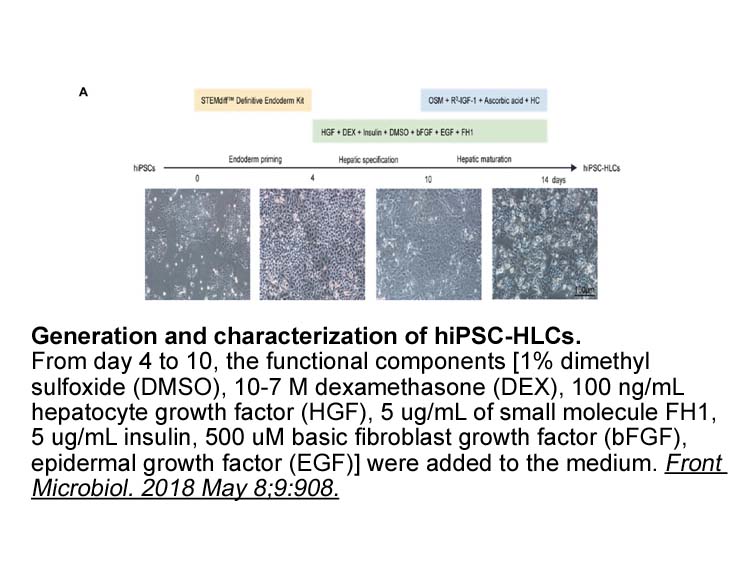
One of the key epithelium-derived factors required to maintain immune tolerance in the intestine is Indian Hedgehog (Ihh). Ihh is secreted exclusively by intestinal epithelial cells, and signals in a paracrine manner to the inhibitory receptor Patched1 (Ptch1) on Thiola in the mesenchyme. Binding
-
Author contribution br Funding This work was supported by
2022-04-07

Author contribution Funding This work was supported by funding from St Vincent’s AMR. Hologic provided Panther equipment and Aptima HCV Quant Dx Viral Load assays. The sponsors had no rule in the analysis and interpretation of the study results, the manufacturer of reagents used in this study d
-
Not all metals are susceptible of
2022-04-07
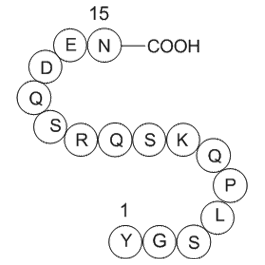
Not all metals are susceptible of being accumulated by insects. Tissue concentrations of essential metals like Cu and Zn are regulated in many insects and hence cannot be used to biomonitor metal pollution (Hare, 1992). A similar behaviour could explain the observed stability of Zn and Cu relative t
-
Cryptochlorogenic acid To the best of our knowledge
2022-04-06
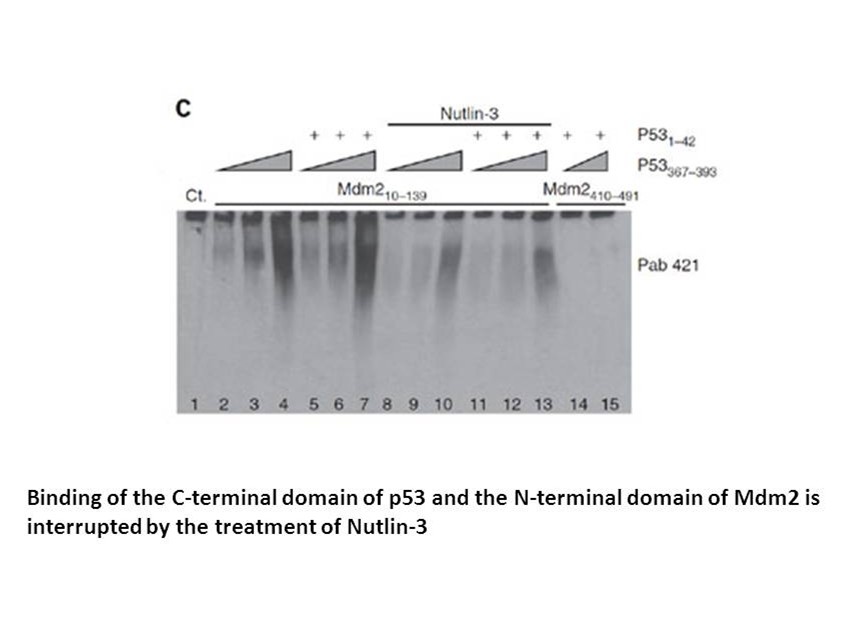
To the best of our knowledge, this is the first study to examine functional GSTO1‐1 activity in the cornea. Therefore, comparative data for human or animals is not available. Moreover, we observed the nonspecific degradation of the GSTO1‐1 substrate 4NPG via an unknown mechanism, which was corrected
-
While PLGA implants could be
2022-04-06
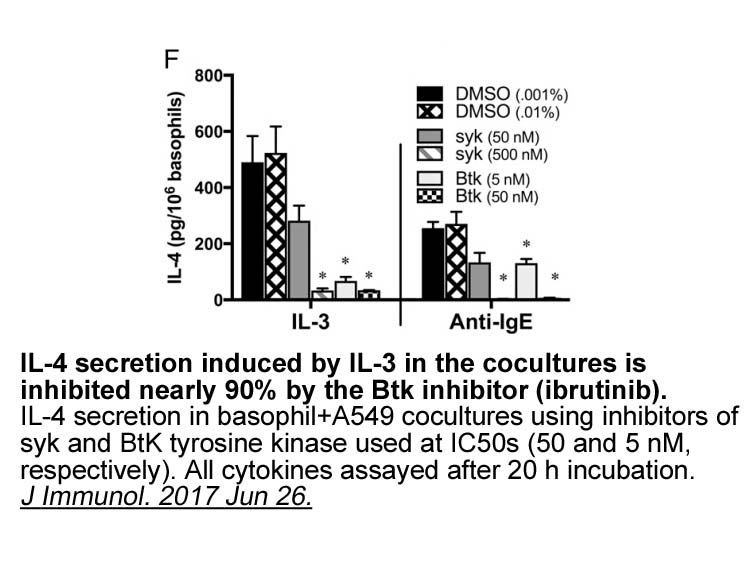
While PLGA implants could be beneficial for regenerative angiogenesis in the context of wound healing, they resazurin sale could also lead to adverse effects. Indeed, extracellular acidification inhibits osteoblast proliferation, differentiation, and extracellular matrix mineralization, which might
-
Human GPR hGPR was originally isolated in
2022-04-06
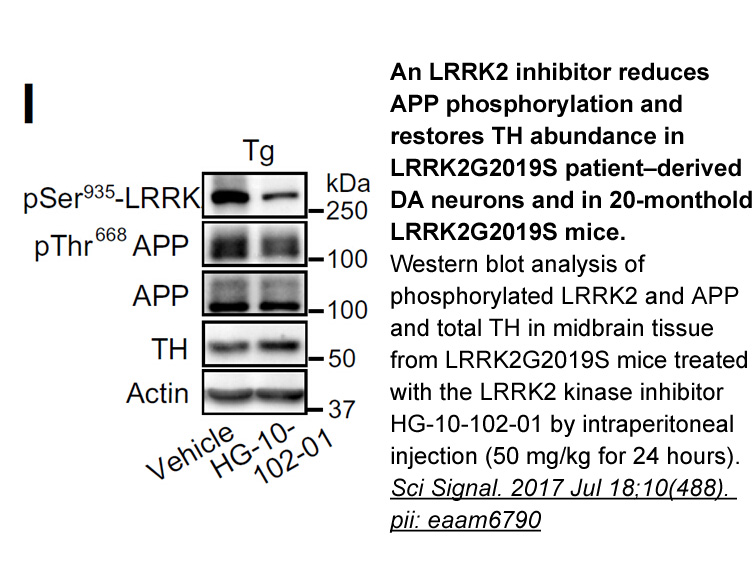
Human GPR55 (hGPR55) was originally isolated in 1999 as an orphan GPCR with high levels of expression in human striatum (Sawzdargo et al., 1999) (Genbank accession # NM_005683.3). hGPR55 was mapped to human chromosome 2q37, and in the human CNS it is predominantly localized to the caudate, putamen,
-
In normal tissues the expression patterns of GPR and
2022-04-06
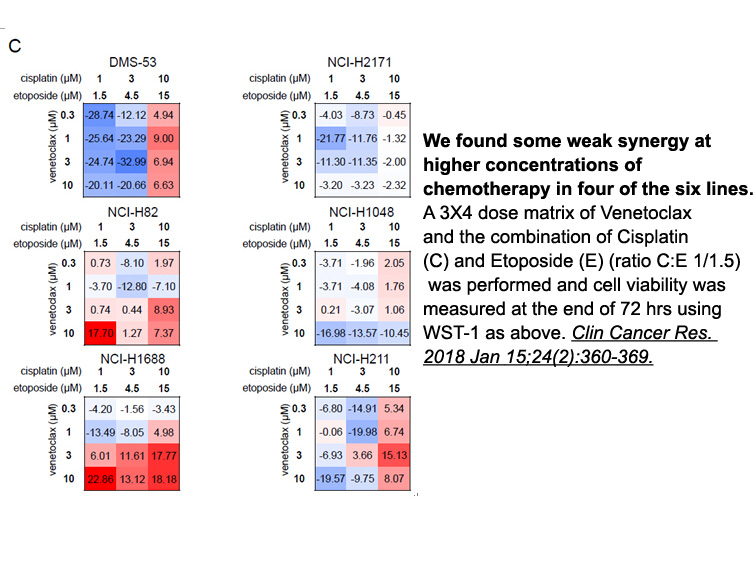
In normal tissues, the expression patterns of GPR120 and GPR40 are not uniform. GPR120 is highly expressed in adipocytes, lung and intestinal tract, while GPR40 is shown to be expressed in pancreatic islet AdipoRon and intestinal tract [7], [20]. It is considered that the distribution of the GPR120
-
New follicular wave emergence is associated closely with the
2022-04-06
New follicular wave emergence is associated closely with the stage of the estrous voltage gated sodium channel (Sirois and Fortune, 1988). As indicated by results from the present experiment, cows that had regression of the largest follicle on Day 0 of treatment onset had follicle wave characterist
8067 records 481/538 page Previous Next First page 上5页 481482483484485 下5页 Last page